
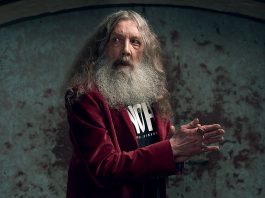

Comics Writing how-to with Kieron Gillen
There exist on the internet a good few resources on how to break into writing comics—many of them linked at The Beat's own resource...
Jason Aaron signs exclusive with Marvel
The great exclusive wars of the Aughts were ferocious and ultimately, flawed. So it's relatively rare these days to see a new exclusive. In...
Matt Fraction speaks on collaborators and credit
Can NO ONE get this "credit" thing right? A few days ago we noted artist Chip Zdarsky standing up for Matt Fraction, writing of...
San Diego Comic-Con ’15: Perfect Pack Preparedness
By Nick Eskey
Those who are watching the ticking clock of San Diego Comic-Con know that it’s less than a month away. This is one...

Interview: Penelope Bagieu Kills With Her Graphic Novel “Exquisite Corpse”
By Nick Eskey
Penelope Bagieu is a French illustrator who over the last ten years has become more involved in making comics and graphic novels. Some of her works include Josephine, Not Bad, White Page, and Stars of the Stars. She also has a comic blog, My Life Is Quite Fascinating, where she portrays everyday life in a humorous light.
WonderCon ’15: Exhibition Hall Highlights
By Nick Eskey
Known for being the fan favorite of major conventions, with its relaxed nature and lines, WonderCon has been gaining in popularity over...
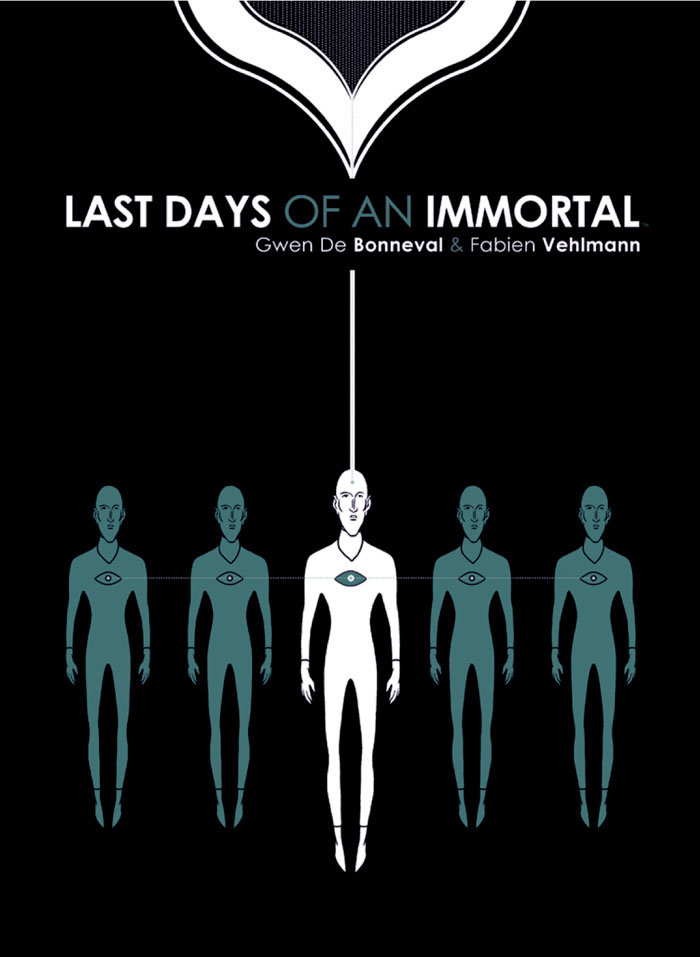
24 Hours of International Comics: Fabien Vehlmann, the Alan Moore of France
Best known in the US for writing Beautiful Darkness, Fabien Vehlmann is a superstar writer in France, working on some of the best known characters while winning numerous awards, and even writing the occasional movie. Here's a brief look at some of his work available in English.
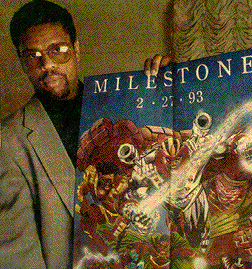
Matt Wayne on What Dwayne McDuffie Meant To Comics
Although it's in Playboy, it's SFW and a must read: former Milestone managing editor Matt Wayne on his friend, the late great Dwayne McDuffie:
“Imma let Bilal finish but Jodorowsky is one of the most inspiring artists of...
Via
Alexander Jodorowsky is the visionary filmmaker behind El Topo and Santa Sangre. He's also kind of the original "films to comics" crossover creator, since...
Willingham and Weldon among those who will be writing on trains for a long...
Fables' Bill Willingham and frequent comics blogger Glen Weldon were among 24 writers selected for the Amtrak Residency Program, which allows writers to get...
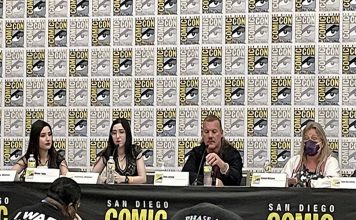
SDCC Discusses Blake J. Harris’ “The Console Wars,” with guests.
By: Nick Eskey
Once upon a time, Nintendo resurrected what remained of the home console market, and thus ruled the gaming world. Almost 95% of...
Beyond the Page: Writing in the Digital Age
By
: Nick Eskey
Ever since the creation of the printing press, authors finally had an avenue to get their works out into the world. But...